HERNANDO CORTES: DISCOVERER OF COCOA?

Hernando CortesHernando Cortes was a famous Spanish explorer who tred in the footsteps of Christopher Columbus during the 16th century. Cortes was a controversial & bold leader, however he is also widely regarded as the first European to discover chocolate.

After spending years in Haiti & Cuba, Cortes moved onto his most famous expedition in Mexico, where he defeated King Montezuma & the Aztec Empire, then developed Mexico City (formerly Tenochtitlán) into the most important European city in the Americas. However, the defeat – by a dramatically smaller army – may have actually been largely assisted by a Smallpox epidemic brought over by the Spaniards, which then spread like wildfire throughout the Aztec population, as suggested by great American historian William H McNeill.

During the conquest, Cortes also tasted a warm, bitter drink made with cocoa beans called ‘xocoatl’. This was also called the ‘royal drink, which Emperor Montezuma apparently consumed 50 times a day. Furthermore, Cortes noted that the Aztecs were using cocoa beans as a currency substitute for gold, which led him to promote the development of cocoa bean plantations across Mexico, Trinidad, Haiti & throughout the Caribbean.

However, there is actually little historical evidence to suggest that Cortes was the first transporter of chocolate to Europe. In fact, in the book ‘The True History of Chocolate’, the writers states “No one knows for sure when cacao first reached Spain. There is no credible evidence to support the oft-repeated claim that it was the work of Hernán Cortés. He sent a ship to Spain from the coast of Veracruz in 1519 and visited Charles V in person in 1528 with “a dazzling sample of Mexico’s riches and wonders” including dwarves, bouncing rubber balls, monsters, and albinos, fans, shields, plumes, obsidian mirrors. But no mention of chocolate. More likely is that the Maya introduced it to Europe. Specifically the Kekchi Maya of Guatemala, who live in the Alta Verapaz (True Peace)… beautiful region of cloud-swirled mountains. Here, Dominicans led by Bartolomé de las Casas had taken over a delegation of Maya nobles to visit Prince Philip in Spain in 1544. Amongst the other things they brought were ‘receptacles of beaten chocolate’ “.

Maybe we’ll never know for sure……
TYPES OF COCOA BEAN

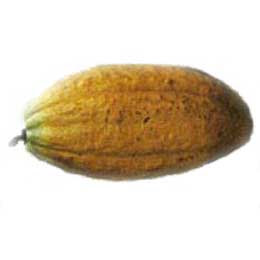
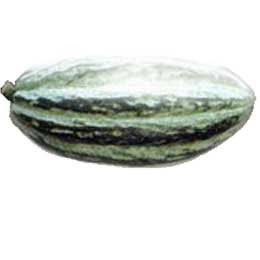
There are three main types of cocoa bean used in chocolate today, differentiated by colours, flavours & proteins.

FORASTERO
Forastero bean
These sturdy beans make up around 80% of the world’s cocoa and are the beans most likely to be found in cheaper chocolate, due to their weaker aroma and often bitter taste. Originally from the Amazon, Forastero trees now grow across the world – the most common being the mild Amenolado, which is grown in West Africa.

CRIOLLO
Criollo bean
This is the finest cocoa bean and the first to have been consumed by Europeans after Hernando Cortez visited Mesoamerica in the 16th century. These beans are highly aromatic and generally have a fruitier flavour, while Criollo chocolate is also reddish in colour. The Criollo is now much rarer than its Forastero cousin, probably due the bean’s weaker resistance to disease. Venezuela is home to the best Criollo beans, including the ‘pure’ beans from the Chuao plantation and the rare, white Porcelana bean from Lake Maracaibo.

TRINITARIO
Trinitario bean
This bean is a hybrid of the Forastero & Criollo beans and is the bean most likely to be found in premium, dark chocolate. The flavour of Trinitario beans can also range from spicy to earthy & fruity. Trinidad originally grew Venezuelan Criollo trees in the late 17th century. Unfortunately, the foreign trees were not suited to their new environment, resulting in a collapse of the country’s chocolate production in the early 1800’s.

Thankfully, Trinidad revived it’s industry with the introduction of the more robust Forastero trees in the mid-18th century. This development also led to the creation of the new Trinitario bean, as the Forastero was combined with Trinidad’s few remaining Criollo trees. The success of the Trinitario bean also led to it’s growth across the world from Ecuador to Cameroon and Java.

MINT

Mint is one of my favourite flavour addition to chocolate – I love that clean, fresh taste that bites through strong, dark chocolate. And I especially enjoy mint chocolate after a curry, it’s the perfect dessert to clean the palate of those intense eastern spices.

Mint is a native Mediterranean herb & is probably one of the original flavours which Europeans attempted to combine with cocoa, when it started to flow from Central America during the 16th century. Some Europeans hated the taste of the bitter cocoa, whilst others looked for cheaper substitutes to the expensive traditional cocoa mixers which came from Mesoamerica, such as Vanilla.

The herb is now found much further afield & used in a whole range of delicious recipes. The Vietnamese use lots of mint to garnish their national dish, Pho (pronounced fur), which is a delicious, fragrant meaty soup. Mint is also the main ingredient of Touareg tea, which is popular across North African & Arab countries. The two most common mints consumed are Peppermint & Spearmint. Peppermint has always been the most popular to combine with chocolate, however I also love the less-intense flavour of Spearmint, especially the Nanah variety from Northern Morocco.

Here’s a simple but beautiful Mint chocolate recipe, developed by the extremely talented Ferran Adria from El Bulli…

Mint & Chocolate

Buy yourself a bunch of fragrant mint & pick off around 100 nice leaves & place them on a chopping board or tray. Then melt 50g of quality couverture in a bain-marie until the chocolate is smooth, silky & around 88 degrees fahrenheit. Use a spatula to cover each mint leaf & allow to cool & set for about four hours. The results are amazing – the thin coat of chocolate melts in your mouth & leaves you with a layer of crunchy mint leaf. I also love the two-tone colour combination of the leaves – shiny dark brown on top & lush green underneath. I’d recommend eating these soon after cooking as the mint leaves will lose their flavour & texture. And if you’re wondering what to do with the rest of your mint, I’d highly recommend a pot of hot, refreshing mint tea!