
 Cloves are one of a number of exciting spices which feature in our fragrant Masala Chai chocolate bar. Along with nutmeg & mace, cloves are native to the Moluccas or ‘Spice Islands’, a volcanic archipelago in Indonesia. However, the spice is also now grown across the Indian subcontinent and in parts of West Africa. The cloves themselves are actually flower buds which are picked from the tall evergreen clove trees & then dried in the sun. The name clove is derived from the Latin word clavus, meaning nail, which the buds resemble.
Cloves & the Spice Islands became central to the huge Eastern Spice Trade as far back as Roman times. However, as European spice demand grew around the 16th century, the Spanish, Dutch, British & French were all involved in bitter conflicts in an attempt to weaken the dominant Portuguese control of the area. But towards the end of the 18th century, power began to shift when a Frenchman, called Pierre Poivre, managed to smuggle seeds & plants from the islands and began to develop their own spices. The subsequent growth of cloves in Mauritius by the French was one of many new plantations that eventually led to the end of the monopoly & the price of spices falling significantly.
In terms of flavour, cloves have a wonderfully strong medicinal & fruity flavour & are used in both sweet & savoury dishes. North Africa & the Middle East often use cloves in rice & meat dishes, such as Moroccan Tagines. These strong flavours also led to scented clove oranges being a very popular insect repellant in bygone centuries. In it’s native Indonesia, cloves are blended with tobacco to create the popular ‘kretek’ cigarette. While in China & Asia, cloves are widely used in both medicine & spice blends, such as Chinese Five Spice or the wonderful Indian Masala Chai….

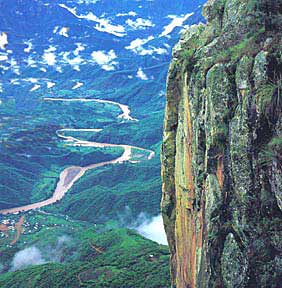 Most Chipotle chillies are actually produced in Chihuahua, which sits on the country’s northern border with the US & is also the biggest state in Mexico. Chihuahau literally means ‘the place where the rivers meet’ – the rivers being the Chuviscar and the Sacramento, which flow from Colorado & California respectively. Chihuahua is a vast state which contains an incredible variety of environments, flora & fauna. The state is home to great forests & mountains, Copper Canyon – which is officially larger than the far more famous Grand Canyon (see right), the fascinating crystal caves of Naica Mountain & the wide Chihuahuan desert. Oh yes, Chihuahua is also apparently where those strange little dogs originate from too!